

Author: Gokul
7 Factors That Influence the Quality of Stick Welding Results
Getting strong, clean, and consistent results with stick welding takes more than choosing the right welding machine. Small details, such as electrode selection, amperage settings, surface preparation, and welding technique, can make a significant difference in the final weld.
Whether you're an experienced welder or learning the process, understanding these factors can help you achieve better results, reduce common welding defects, and produce reliable welds. Let's explore seven important factors that influence stick welding quality and how to get the most out of every weld.
1. Choosing the Right Welding Electrode
The electrode plays an important role in determining the strength, appearance, and overall quality of a stick weld. Different electrodes are manufactured for specific metal types, thicknesses, and welding conditions.
Using an unsuitable electrode can lead to poor penetration, excessive spatter, or difficulty maintaining a stable arc.
What to consider when selecting an electrode:
- 1. Base metal type: Make sure the electrode is compatible with the metal being welded.
- 2. Material thickness: Select an electrode suitable for the thickness of the workpiece.
- 3. Welding position: Some electrodes perform better in flat, horizontal, vertical, or overhead positions.
- 4. Moisture exposure: Store electrodes properly to prevent moisture absorption.
Selecting the correct electrode helps create a more consistent welding process and dependable results.
2. Setting the Correct Amperage
Amperage controls the amount of electrical current used during stick welding. Choosing the correct setting is essential for achieving proper heat distribution and weld penetration.
Too much current can cause excessive spatter, burn-through, and an uneven weld bead. On the other hand, too little current can result in poor fusion and difficulty maintaining a stable arc.
Tips for getting the amperage right:
- 1. Follow the manufacturer's recommended amperage range.
- 2. Consider the electrode diameter and material thickness.
- 3. Adjust the settings based on the welding position.
- 4. Test the settings on a sample piece before starting the main work.
Finding the right balance helps produce smoother weld beads and better overall consistency.
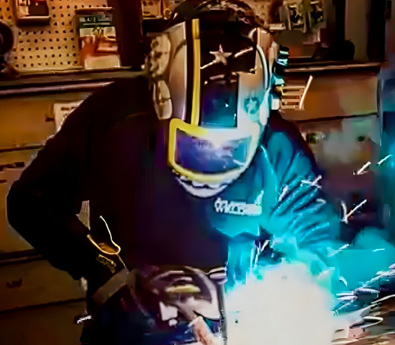
3. Preparing the Metal Surface Properly
Surface preparation is another important factor that directly affects stick welding quality. Dirt, rust, oil, paint, and other contaminants can interfere with the welding process and weaken the finished joint.
Before starting, make sure the metal surface is clean and ready for welding.
A few essential preparation steps include:
- 1. Remove rust, dirt, and loose paint.
- 2. Clean away oil and grease using an appropriate cleaner.
- 3. Ensure the metal surfaces are dry.
- 4. Check that the edges and joints are properly aligned.
A clean welding surface allows the arc to perform more consistently and helps reduce contamination-related defects.
4. Maintaining the Correct Arc Length
Arc length refers to the distance between the electrode tip and the workpiece. Maintaining a consistent distance is essential for producing a smooth and controlled weld.
An arc that is too long can create excessive spatter, an unstable arc, and poor bead appearance. An arc that is too short may cause the electrode to stick to the metal.
For better arc control:
- 1. Maintain a steady distance between the electrode and the workpiece.
- 2. Avoid sudden movements while welding.
- 3. Follow the recommended technique for the selected electrode.
- 4. Practice maintaining a consistent arc throughout the weld.
Good arc control improves bead appearance, reduces interruptions, and supports consistent weld quality.
5. Controlling the Welding Travel Speed
Travel speed refers to how quickly the electrode moves along the joint during welding. Maintaining the right speed helps create uniform weld beads with proper penetration.
Moving too quickly can result in a narrow weld bead and insufficient fusion. Moving too slowly may cause excessive buildup, overheating, and an uneven finish.
How to maintain a consistent travel speed:
- 1. Move the electrode steadily along the joint.
- 2. Avoid rushing through the welding process.
- 3. Maintain a consistent bead width.
- 4. Watch the weld pool to understand how the metal is flowing.
A controlled travel speed helps achieve an even finish and improves the overall quality of the weld.
6. Using the Proper Electrode Angle and Welding Position
The angle at which the electrode is held can influence weld penetration, bead shape, and arc stability. Different welding positions require adjustments to maintain control and achieve consistent results.
For example, flat-position welding generally allows better visibility and control, while vertical and overhead welding require greater attention to the weld pool.
Keep these points in mind:
- 1. Maintain the recommended electrode angle.
- 2. Adjust your technique according to the welding position.
- 3. Keep your hand movements steady.
- 4. Pay attention to the direction of travel and weld pool behavior.
Using the correct electrode angle helps distribute the weld metal evenly and creates a more consistent finish.
7. Maintaining Equipment and Developing Welding Skills
Even with the right materials and settings, poor equipment condition or inconsistent welding techniques can affect the final outcome.
Regular equipment checks and continued practice help welders maintain quality and avoid unnecessary interruptions.
Focus on these essential practices:
- 1. Inspect welding cables and electrode holders regularly.
- 2. Check connections and grounding before starting.
- 3. Keep the welding machine in good working condition.
- 4. Practice different welding positions and techniques.
- 5. Follow appropriate welding safety procedures.
Combining reliable equipment with practical experience helps produce stronger, more consistent welding results.
How Atlanta Welding Maintains Quality and Precision
When it comes to dependable welding services, experience and attention to detail matter. Atlanta Welding brings years of industry experience, precision, and craftsmanship to residential, commercial, and industrial projects. With a dedicated 5,000-square-foot metro Atlanta fabrication shop, experienced professionals, and mobile welding capabilities, the company focuses on delivering reliable results, maintaining clear communication, and completing projects on time and within budget. Whether working with metal fabrication, stair systems, handrails, or custom metalwork, Atlanta Welding is committed to quality at every stage of the process.
Get Better Welding Results with the Right Expertise
Achieving quality stick welding results requires the right combination of materials, equipment, preparation, and technique. Paying attention to these seven factors can help reduce common welding issues and improve the consistency and durability of finished welds.
If you need professional welding assistance in the Atlanta area, choosing an experienced team can make a meaningful difference.